
Природно-математички факултет
Универзитет у Крагујевцу
Природно-математички факултет
Универзитет у Крагујевцу
ПЛАТФОРМА ЗА ОБНОВУ ДЕЛИБЛАТСКЕ ПЕШЧАРЕ
НАКОН ПОЖАРА 2026. ГОДИНЕ
ОТВОРЕН КОНКУРС ФОНДАЦИЈЕ
СТУДЕНИЦА ЗА СТУДЕНТСКЕ СТИПЕНДИЈЕ
У АКАДЕМСКОЈ 2026/27

ФОНД ЗА МЛАДЕ ТАЛЕНТЕ
ПРОДУЖЕН РОК!!!
КОНКУРС ЗА УПИС НА КРАТКИ ПРОГРАМ СТУДИЈА
“Руковалац дивљим животињама у специфичним условима“
ДВАДЕСЕТ ЧЕТИРИ ИСТРАЖИВАЧА
УНИВЕРЗИТЕТА У КРАГУЈЕВЦУ НА НАЈНОВИЈОЈ
СТАНФОРДОВОЈ ЛИСТИ НАЈЦИТИРАНИЈИХ НАУЧНИКА
Настанак и развој Природно-математичког факултета у Крагујевцу описујемо следећи историјски пут развоја разних високошколских институција које су му претходиле.
Настављајући прекинуту нит српске средњовековне културе, крајем 18. и почетком 19. века, истовремено са борбама за ослобођење од турске власти, прихватајући просветитељске идеје тога доба, почела је да се ствара модерна српска држава и култура.
Најзначајнија личност просветитељства у Србији био је Доситеј Обрадовић (1742–1811). Путујући по европским земљама, доносио је идеје просветитељства у Србију и залагао се за развој образовања, истичући његов значај за стварање српске културе. Од његовог доласка у Србију 1807. године, број школа се нагло повећавао. Постао је министар образовања (попечитељ просвештенија) за време владавине Карађорђа Петровића (1762–1817).
Свакако најважнији догађај за развој високог шкoлства у Србији било је стварање Велике школе, тзв. Устаничке Велике школе, односно Доситејеве Велике школе у Београду, 1808. године, која је за време Карађорђеве владавине трајала до 1813. године. Велика школа у Београду представљала је посебну врсту школе у којој се изводила и средњошколска и високошколска настава; средњошколска у првој и другој, а високошколска у трећој школској години.
Крагујевац постаје престоница Србије 1818. године и добија водећу улогу у политичком, привредном и културном развоју земље. Стицањем аутономије Хатишерифом из 1830. године и потпуне аутономије Хатишерифом из 1833. године, који је прочитан на Трифунској скупштини у Крагујевцу 13. фебруара 1834. године, поред других, основано је, по први пут и Министарство просвете, а нa Сретењској скупштини у Крагујевцу, 15. фебруара 1835. године, Димитрије Давидивић је постављен за првог министра просвете. Од тада, у новим и повољнијим околностима, у Србији је дошло до бржег оснивања школа и осталих културних институција.
Заслугом Вука Караџића (1787–1864), Велика шкoла у Београду је поново почела са радом 1830. године. Школу је водио професор Димитрије Исаиловић (1783–1853).
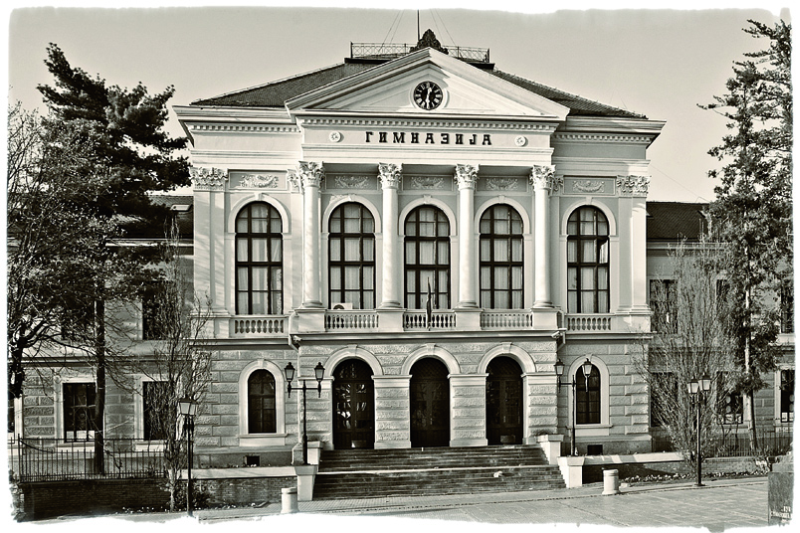 Гимназија у Крагујевцу
Одлукама Кнеза Милоша Обреновића (1780–1860), Велика школа је из Београда премештена у Крагујевац 1833. године и ту наставила са радом као прва средња школа у Кнежевини Србији. Исте 1833. године донет је најранији Закон о школама - Устав народних школа у Књажевству Србије. На основу овог закона, Велика школа у Крагујевцу је одређена као трогодишња школа, а од школске 1835–1836. године Велика школа у Крагујевцу је постала четворогодишња и названа је Гимназија. Гимназија у Крагујевцу је 1838. године имала пет разреда, а од 1853. године седам разреда.
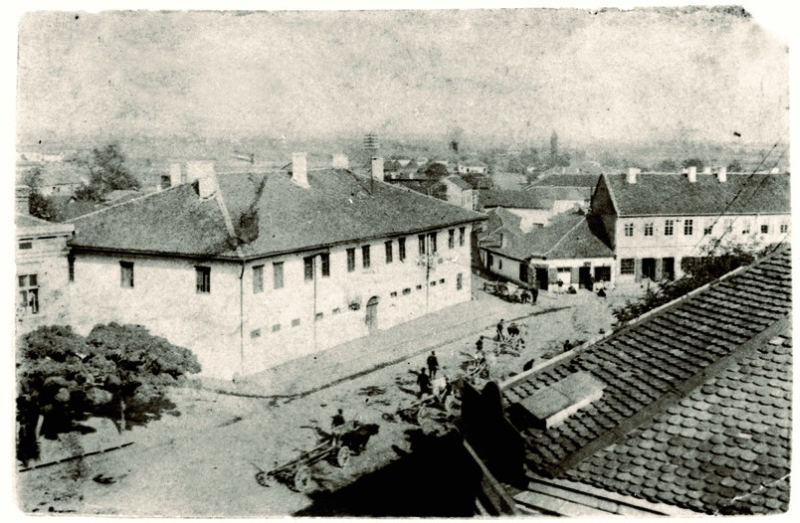 Господар-Јевремов конак, зграда Лицеја у Крагујевцу
У то време, у Србији је била велика потреба за високо образованим људима. На предлог тадашњег министра просвете, указом Кнеза Милоша од 1. јула 1838. године, основан је Лицеј у Крагујевцу, прва виша школа у Србији. Тако је четворогодишње школовање гимназијалаца продужено на шест година.
Лицеј је у то време представљао највишу образовну институцију у Србији.
Први ректор Лицеја у Крагујевцу био је Атанасије Николић (1803–1882), професор огромног стваралачког духа и енергије, који је дао велики допринос реализацији идеје о високом школству у Србији и његовом даљем развоју ка првом Универзитету. На почетку је било формирано само Филозофско одељење Лицеја.
Године 1853. основано је на Лицеју и Јестаственословно-техническое одељење. Тако су засноване студије на Лицеју као високошколској установи и постављене научне области које ће се касније проучавати на високошколским институцијама које ће из њега произићи.
Кнез Милош је абдицирао 1839. године и држaвна управа се из Крагујевца преселила у Београд. Исте године Лицеј се одваја од Гимназије и даље наставља са радом у Крагујевцу све до 1841. године, када се заједно са престоницом премешта у Београд. На основу Општег Закона о школама из 1844. године, по први пут је успостављена организација свих школа у Србији, од основних до највиших.
Велика реформа Лицеја догодила се 1863. године, када је Законом о устројству Велике школе, основана Велика школа у Београду. Дотадашња одељења прерастају у факултете Велике школе: Фолозофски, Правни и Технички. Тако се Лицеум Књажевства Сербског може с правом сматрати претечом данашњих Универзитета у Србији. Доношењем Закона о Универзитету, 1905. године, Велика школа прераста у Универзитет у Београду.
Претечама високог школства у Крагујевцу могу се сматрати Гимназија (1833), Лицеј (1838), Војнозанатлијска школа (1854) и Учитељска школа (1871).
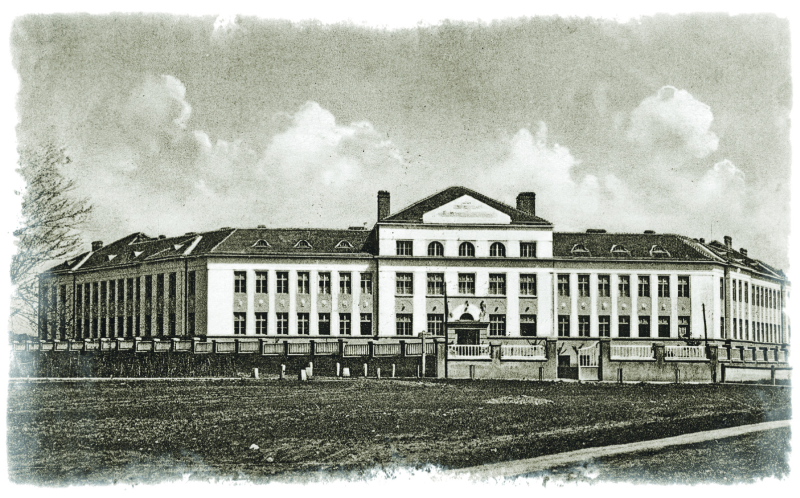 Женска учитељска школа, 1926. године
У другој половини 19. века у Србији почињу убрзано да се отварају школе за које су били потребни квалификовани учитељи.
На основу Закона о уређењу Учитељске школе (1870), у Крагујевцу је 1871. године основана прва Учитељска школа у Србији. Отварањем Учитељске школе, Крагујевац постаје педагошки центар Србије. Школа је захваљујући завидној стручној спреми својих професора као и подршци државе, веома брзо стекла висок реноме.
Године 1877, Учитељска школа је премештена у Београд, да би се 1903. године поново вратила у Крагујевац, као Женска учитељска школа. Тиме се процес развијања педагошке мисли као и стручно и педагошко образовање учитеља у Крагујевцу не зауставља.
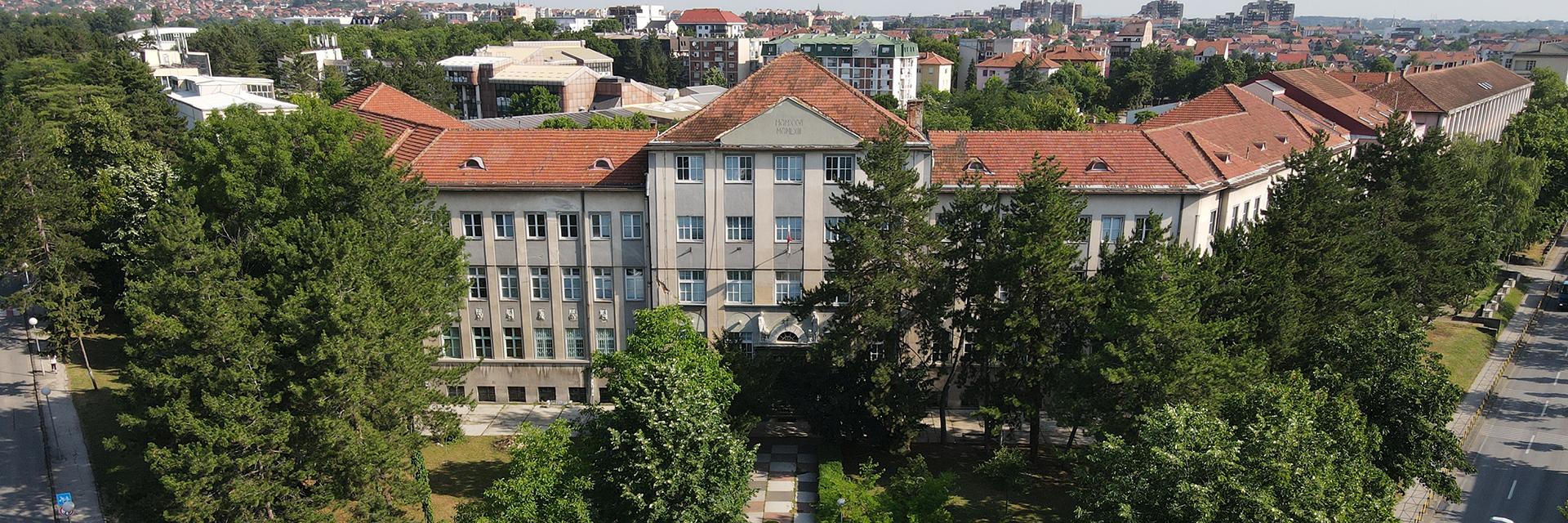
Процес развоја образовања је двадесетих година прошлог века праћен и новим урбаним изгледом Крагујевца. Изграђене су многе зграде нових архитектонских стилова. Тако је 1926. године изграђена нова зграда Учитељске школе (сада главна зграда Природно-математичког факултета), која је поред зграде Гимназије и Суда била најлепша зграда у Крагујевцу тог времена. Изграђена је у Art Deco стилу, на четири хектара плаца добијеног од општине Крагујевац, средствима државе. Својим изгледом, функционалношћу и опремљеношћу, представљала је једну од најмодернијих школа тадашње Србије. Зграда је сведок и пример генезе образовања на овим просторима. Учитељска школа касније је названа Учитељска школа Милоје Павловић, према свом чувеном директору, професору Милоју Павловићу, угледном Крагујевчанину, ђаку Гимназије у Крагујевцу, и дипломцу Филозофског и Правног факултета Универзитета у Београду, који је изведен из зграде Учитељске школе и стрељан на стратишту у Шумарицама, 21. октобра 1941. године.
Под окриљем ове зграде, осим Женске учитељске школе, која је касније прерасла у мешовиту Учитељску школу, формирана је, 1959. године, као вежбаоница, основна школа 21. октобар. Зграда Учитељске школе је реновирана 1962. године доградњом још једног спрата и поткровља, чиме је добила свој садашњи изглед.
У Крагујевцу је 1950. године основана Виша педагошка школа, која је школама у Србији обезбедила на хиљаде квалификованих педагога различитих струка. Заједно са својим професорима и студентима, веома је утицала на образовни и културни идентитет града.
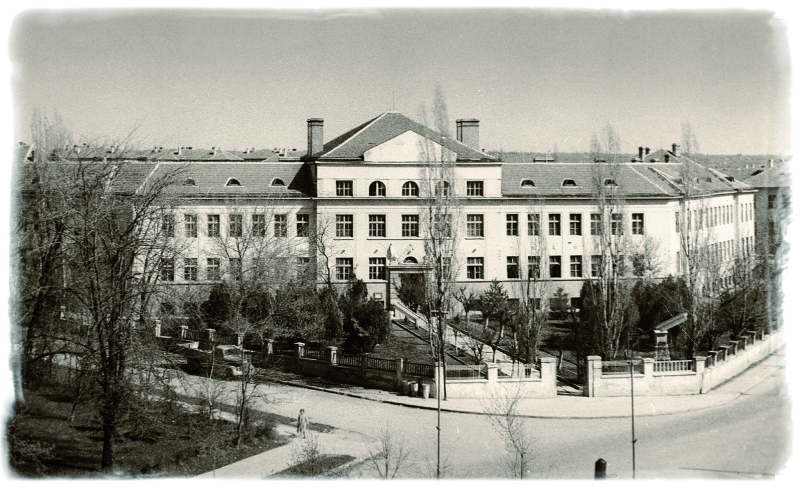 Учитељска школа Милоје Павловић, око 1960. године
„Оно што је красило крагујевачко образовање од настанка до ових дана је чињеница да су у њему као педагози претежно радили људи неоспорног талента, високих амбиција и сталне жеље за усвајањем нових знања. Тако у историји Прве крагујевачке Гимназије, која чини ону непрекинуту нит са коренима настанка првих образовних установа савремене Србије у Милошевој престоници, не чине изузетак професори који су стицали академска звања магистара и доктора наука. И међу стручњацима у привреди било је оних који су разумели значај увећаног знања за производне и предузетничке успехе овдашњих фирми. То је представљало покретачку снагу и развојну подлогу овдашњем образовању, па и оснивању високошколских установа."
Учитељска школа у Крагујевцу је престала са радом 1971. године, а Виша педагошка школа 1975. године. Oдговарајуће делатности Више педагошке школе у области природних наука и математике биле су основа за формирање одговарајућих група новооснованог Природно-математичког факултета у Крагујевцу. Тиме је настављена нит науке и образовања у Крагујевцу.
Раних шездестих година прошлог века, у Крагујевцу се оснивају Економски факултет и Машински факултет као одељења Универзитета у Београду. Одељења Правног и Природно-математичког факултета оснивају се 1972. године.
Помоћ и подршка државе, града Крагујевца и професора са Универзитета у Београду и других универзитета, који су изводили наставу у првим годинама рада Природно-математичког факултета, допринели су да се Факултет убрзано развија и осамостали 1976. године. Исте године, 138 година после оснивања Лицеја, основан је Универзитет Светозар Марковић, данас Универзитет у Крагујевцу, који данас има 12 факултета и преко 18 000 студената.
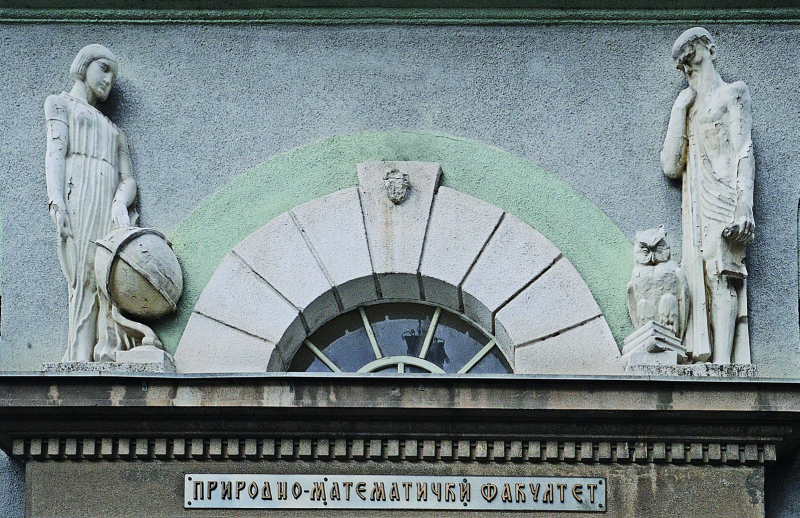
Природно-математички факултет у Крагујевцу се непрестано развија и представља једну од водећих чланица Универзитета у Крагујевцу. На основу резултата научно-истраживачког и педагошког рада својих наставника и сарадника, сврстава се у ред водећих факултета у Србији, са веома развијеном међународном сарадњом. Држава Србија преко свог Министарства просвете и науке даје велику подршку и помоћ развоју Природно-математичког факултета и целог Универзитета. Град Крагујевац такође интензивно помаже развој свог Универзитета.
Као што је време показало, оснивање Гимназије и Лицеја у Крагујевцу имало је посебан значај за историју Универзитета у Србији, посебно за оснивање Универзитета у Београду, из кога ће изнићи Универзитет у Крагујевцу. Природно-математички факултет, са Лицејом у темељима и са стасалим генерацијама наставника и студената, спреман је за изазове које намеће ново време, чека нове генерације студената и стреми новим успесима.


